Staking is one of the easiest ways to earn passive income on your crypto. Instead of letting your coins sit idle, you earn rewards for helping secure the network.
Here’s how to start staking today.
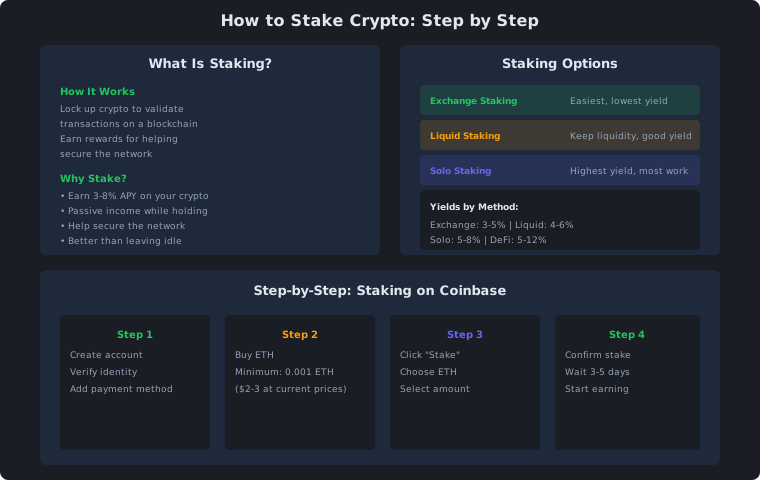
What Is Staking?
Staking means locking up your crypto to help validate transactions on a blockchain. In return, you earn rewards — similar to earning interest in a bank account.
| Crypto | Staking APY | Minimum |
|---|---|---|
| ETH | 3-5% | 0.001 ETH |
| SOL | 6-8% | None |
| ADA | 3-5% | None |
| DOT | 10-14% | None |
| ATOM | 15-20% | None |
Staking Options
1. Exchange Staking (Easiest)
| Exchange | Supported Coins | APY |
|---|---|---|
| Coinbase | ETH, SOL, ADA, DOT | 3-6% |
| Kraken | ETH, SOL, DOT, ATOM | 4-12% |
| Binance | 50+ coins | 1-30% |
Pros: One-click staking, no technical knowledge needed Cons: Lower yields, exchange holds your keys
2. Liquid Staking (Best of Both Worlds)
| Platform | Token | APY | Benefit |
|---|---|---|---|
| Lido | stETH | 3-5% | Trade while staked |
| Rocket Pool | rETH | 3-5% | Decentralized |
| Marinade | mSOL | 6-8% | Solana liquid staking |
Pros: Earn staking rewards + keep liquidity Cons: Smart contract risk
3. Solo Staking (Highest Yield)
| Requirement | Details |
|---|---|
| ETH | 32 ETH ($112,000) |
| Hardware | Dedicated computer |
| Uptime | 99%+ required |
| Technical | Moderate knowledge needed |
Pros: Highest yields, full control Cons: Expensive, technical, risk of slashing
How to Stake on Coinbase (Step-by-Step)
Step 1: Buy Crypto
- Open Coinbase app
- Search for ETH, SOL, or ADA
- Buy your desired amount
Step 2: Navigate to Staking
- Go to Assets
- Select the crypto you want to stake
- Tap “Stake”
Step 3: Choose Amount
- Enter the amount to stake
- Review the APY and lock-up period
- Confirm the transaction
Step 4: Start Earning
- Staking takes 3-5 days to activate
- Rewards accrue daily
- Rewards are paid weekly
Staking Risks
| Risk | Description | Mitigation |
|---|---|---|
| Slashing | Network penalty for bad behavior | Use reputable validators |
| Lock-up period | Can’t withdraw immediately | Check lock-up before staking |
| Smart contract risk | Bug in staking contract | Use audited platforms |
| Price volatility | Staked crypto can lose value | Stake only what you can hold |
| Platform risk | Exchange could fail | Self-custody when possible |
Tax Implications
Staking rewards are taxable as income when received:
| Country | Tax Treatment |
|---|---|
| US | Ordinary income at FMV |
| UK | Income tax at FMV |
| Canada | Income at FMV |
Summary
| Key Point | Takeaway |
|---|---|
| Staking | Earn 3-20% APY on crypto |
| Easiest | Exchange staking (Coinbase, Kraken) |
| Best balance | Liquid staking (Lido, Rocket Pool) |
| Highest yield | Solo staking (requires 32 ETH) |
| Risks | Slashing, lock-up, smart contracts |
| Tax | Staking rewards = taxable income |